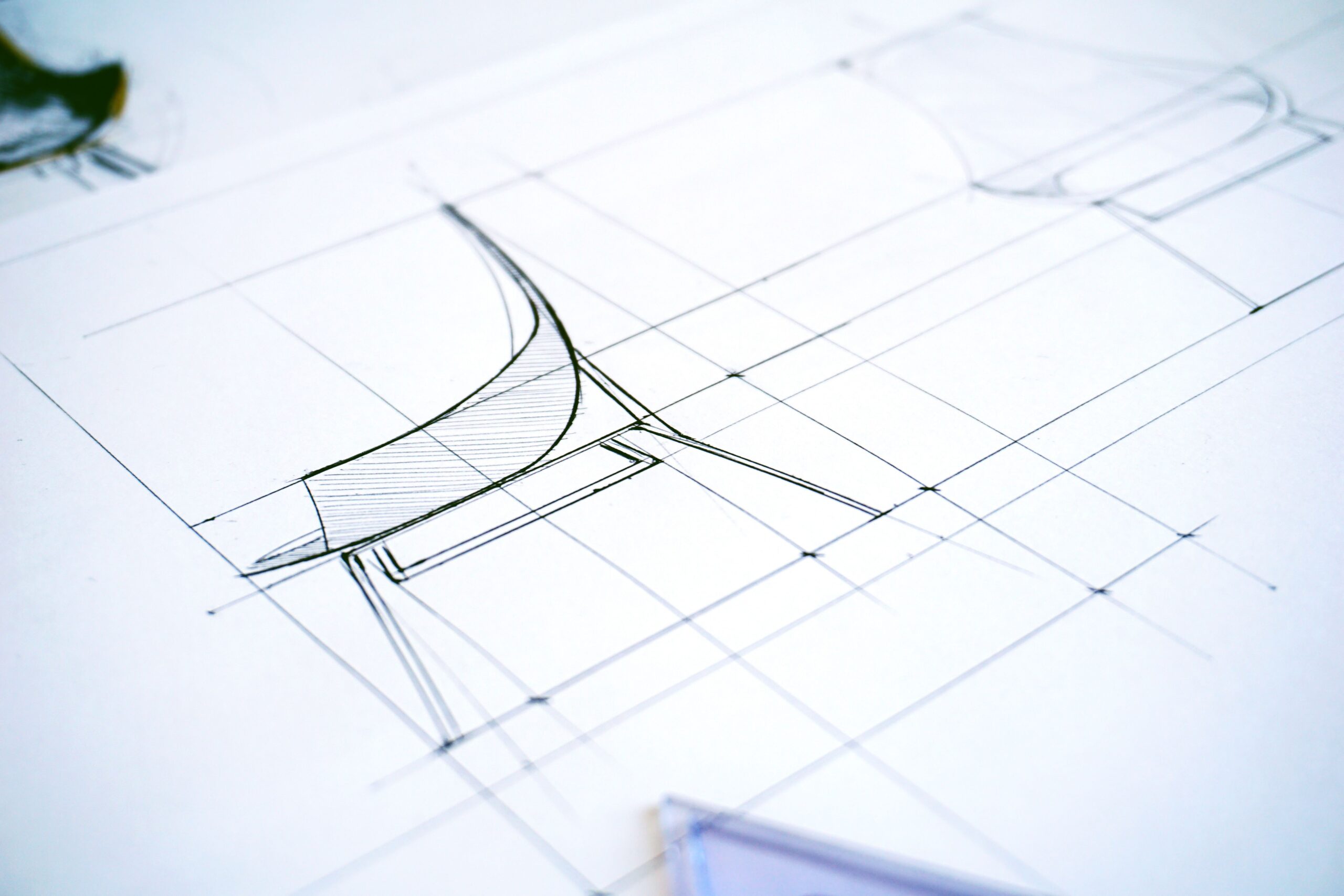
The prototype occupies an awkward position in creative culture. It is essential to the work, yet it is often hidden when the project is presented. Portfolios favor resolution: the final photograph, the polished model, the flawless surface. What disappears is the sequence of tests that made the result possible.
Physical experiments reveal information that cannot always be predicted on screen. A joint feels different under load. A surface behaves unexpectedly in daylight. A printed color shifts beside another material. A mock-up exposes an ergonomic problem that remained invisible in a rendering.
Not every prototype needs to be expensive. Paper, cardboard, rough timber, a quick contact sheet or a simple working model can isolate a question before resources are committed. The value lies in designing the test well: what exactly are we trying to learn, and what evidence would change our decision?
Documenting these stages can strengthen a studio’s collective memory. Record the question, the variation, the outcome and the next step. Without such notes, a team may repeat an abandoned approach or forget why a promising direction was set aside.
An unfinished idea is not necessarily a failure. It may be the most honest record of a designer confronting uncertainty. For professionals, seeing that uncertainty can be more instructive than admiring a seamless final image.
A prototype is not a lesser version of a finished object. It is a way of thinking.