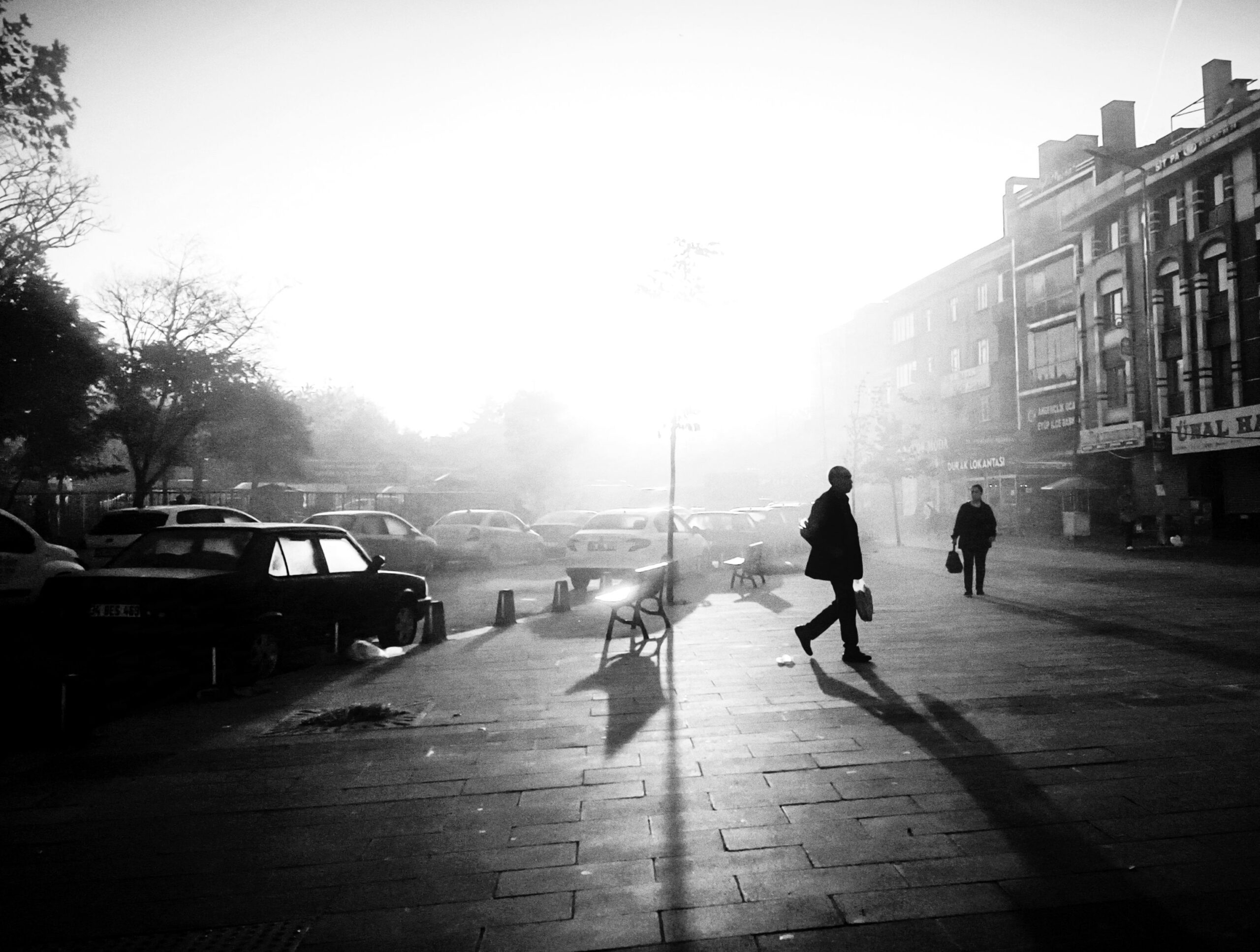
Photographic skill is often described through the language of equipment: focal length, resolution, dynamic range and autofocus. These are useful tools, but they cannot decide what deserves a picture. That decision belongs to the photographer, and it develops through repeated acts of looking.
A disciplined photographic practice begins with a question rather than a subject. What changes in this neighborhood after sunset? How does a family inhabit a room over time? What does a familiar street reveal when photographed from the same position across several seasons? A clear question gives a project structure without dictating its answers.
Editing is where this discipline becomes most visible. Individual images may be striking yet fail to contribute to a sequence. Others, quieter on their own, establish rhythm, context or a necessary pause. The photographer must learn to distinguish the picture that attracts immediate attention from the picture that makes the larger work more coherent.
For documentary practitioners, the responsibility extends beyond composition. Captions, context and the relationship with the people represented are part of the work. An aesthetically compelling photograph can still mislead when separated from the circumstances in which it was made. Precision is an ethical as well as an editorial choice.
One useful exercise is to return to an unfinished project without a camera. Walk the location, listen, take notes and ask what the existing photographs have overlooked. Sometimes the next image becomes clear only when the pressure to make it is removed.
Photography remains an art of decisions: what to include, what to omit, when to approach and when to leave. Its most durable quality may be the patience to make those decisions consciously.
The camera can record an instant. A point of view takes longer to develop.
